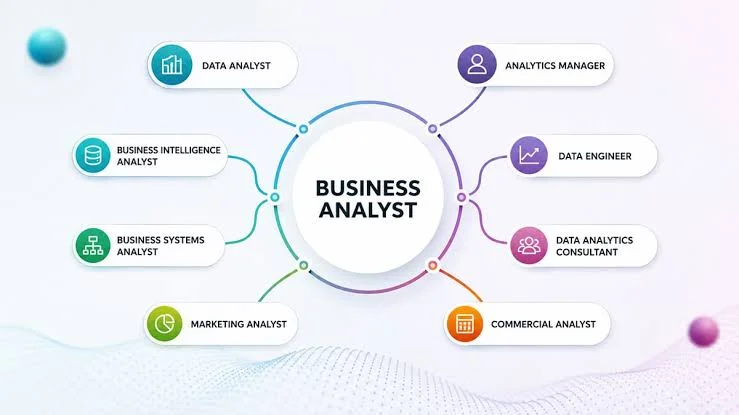
Finding the right career path can feel overwhelming when so many industries are changing. However, business analytics jobs stand out as some of the most stable and rewarding career options today. Companies generate massive amounts of data every day, but data alone does not solve business problems. Organizations need smart professionals who can translate raw numbers into actionable growth strategies.
Whether you enjoy solving puzzles, working with spreadsheets, or helping teams make better choices, this field offers endless opportunities. In this simple guide, we will break down everything you need to know about starting a successful career. We will cover daily job tasks, essential tools, salary expectations, and practical steps to help you land your dream role.
Biography Table: Business Analytics Career Overview
| Career Aspect | Details & Industry Benchmarks |
| Primary Industry Role | Business Analyst / Data Strategy Specialist |
| Core Function | Translating raw data into business solutions and growth strategies |
| Education Level | Bachelor’s Degree in Business, IT, Finance, or Statistics |
| Key Technical Skills | SQL, Excel, Python, Tableau, Power BI, R |
| Key Soft Skills | Problem-solving, stakeholder communication, critical thinking |
| Average Entry Salary | $60,000 – $75,000 USD / year |
| Average Senior Salary | $110,000 – $130,000+ USD / year |
| Highest Demand Sectors | Tech, Banking & Finance, Healthcare, E-Commerce, Consulting |
| Job Growth Outlook | High demand ( projected 10%+ growth through 2032) |
What is Business Analytics?
Before diving into career opportunities, it helps to understand what is business analytics at its core. Simply put, it is the practice of using data, statistical analysis, and math models to understand business performance. Instead of guessing what customers want, companies use data to make smart, evidence-based choices that boost profit and save time.
When I first started looking at business reports, I thought it was just about creating pretty charts. I soon realized that data tells a hidden story about customer habits and operational bottlenecks. Professionals in this field look at past numbers to figure out why sales dropped or how a new feature is performing. They bridge the gap between technical data teams and corporate business leaders.
Why Demand for Business Analytics Jobs is Exploding
Companies in every major industry are shifting toward data-driven decisions. As a result, the market for business analytics jobs continues to expand rapidly across tech, retail, finance, and healthcare. Organizations can no longer afford to run operations based on gut feelings or outdated guesswork.
Modern businesses need specialists who can spot market trends before the competition does. From optimizing global supply chains to refining marketing funnels, analysts help leaders avoid costly mistakes. This high demand creates exceptional job security, strong starting salaries, and fast career advancement for qualified candidates.
               +----------------------------------+
               |        Raw Business Data         |
               +----------------------------------+
                                |
                                v
               +----------------------------------+
               |  Business Analytics Software     |
               |     (SQL, Tableau, Power BI)     |
               +----------------------------------+
                                |
                                v
               +----------------------------------+
               |     Actionable Insights          |
               |  & Data-Driven Strategies        |
               +----------------------------------+
Key Types of Business Analytics You Should Know
To excel in business analytics, you need to understand the four primary ways analysts work with company data. Each type answers a different strategic question and provides distinct value to decision-makers.
- Descriptive Analytics: Evaluates historical data to explain what happened over a specific period.
- Diagnostic Analytics: Examines metrics and performance signals to uncover why a specific event occurred.
- Predictive Analytics: Uses statistical models and forecasting techniques to estimate what is likely to happen next.
- Prescriptive Analytics: Recommends specific, step-by-step actions a business should take to reach its goals.
Essential Business Analytics Tools for Every Analyst
To succeed in day-to-day operations, you must master standard business analytics tools. These applications clean messy raw datasets, perform complex calculations, and build interactive dashboards that executives can review at a glance.
       [ Data Extraction ] --------> [ Data Cleaning ]
         (SQL / Python)               (Excel / Pandas)
                                             |
                                             v
       [ Business Decisions ] <----- [ Dashboarding ]
         (Leadership Action)          (Power BI / Tableau)
Most companies expect new hires to know Microsoft Excel inside and out, including pivot tables, VLOOKUP, and keyboard shortcuts. For larger datasets, SQL is essential for pulling data straight from company databases. Combining spreadsheet logic with database querying forms the foundation of modern data work.
Top Business Analytics Software Used by Industry Leaders
When working in corporate environments, you will rely heavily on specialized business analytics software. Popular platforms like Tableau and Power BI allow analysts to transform dry spreadsheets into clear visual representations. Visual dashboards make complex data easy for stakeholders to understand.
Advanced roles often require programming languages such as Python or R to handle complex automation, statistical testing, and predictive modeling. Using these specialized software solutions helps teams reduce manual effort, spot subtle trends faster, and present findings to leadership with total confidence.
Daily Responsibilities in Business Analytics Jobs
A typical workday in this field blends technical execution with team collaboration. Analysts rarely sit behind a screen all day running queries; they active partners in company planning.
+-------------------------------------------------------------------+
|                   Typical Daily Responsibilities                  |
+------------------------------------+------------------------------+
| Morning Focus                      | Afternoon Focus              |
+------------------------------------+------------------------------+
| • Pull SQL queries from database   | • Present dashboards to team |
| • Clean and format dataset files   | • Map business process flow  |
| • Check dashboard metric anomalies | • Document requirement specs |
+------------------------------------+------------------------------+
You will spend mornings gathering requirements from managers, writing database queries, and auditing data accuracy. Afternoons are often dedicated to building reports, designing workflow maps, and presenting insights to team leads. This blend of analytical thinking and communication keeps the role dynamic and engaging.
Core Skills Required to Land Business Analytics Jobs
Landing competitive business analytics jobs requires a balanced combination of technical competence and soft skills. You do not need an advanced computer science degree, but you must master foundational analytical concepts.
- SQL & Database Management: Ability to query relational databases to retrieve, filter, and combine custom datasets.
- Data Visualization: Proficiency in building clear dashboards that highlight critical trends using Power BI or Tableau.
- Spreadsheet Modeling: Experience with advanced formulas, data modeling, and automated workflows in Excel.
- Communication & Storytelling: Skill in translating complex technical findings into simple recommendations for business leaders.
- Business Acumen: Understanding core commercial operations like profit margins, customer acquisition, and sales funnels.
Salary Expectations and Career Growth Outlook
The compensation structure for business analytics jobs is highly attractive across all career stages. Entry-level roles offer competitive starting pay, while experienced professionals command top-tier market salaries.
Entry-Level Analyst ($60k - $75k)
       |
       v
Mid-Level Business Analyst ($70k - $95k)
       |
       v
Senior / Lead Analytics Specialist ($110k - $130k+)
As you gain experience, you can move into roles like Analytics Manager, Data Architect, or Chief Data Officer. Developing expertise in specialized sectors like finance or healthcare creates even greater earning potential.
How to Get Started in Business Analytics with No Experience
Starting a career path without direct experience can feel challenging, but a proactive approach makes a huge difference. Building a practical portfolio is the single best way to prove your capabilities to prospective employers.
- Learn the Basics: Take structured online courses covering Excel, SQL, and Power BI fundamentals.
- Work on Public Datasets: Download free open-source datasets from Kaggle or GitHub to practice cleaning data and building dashboards.
- Build a Portfolio: Document your sample projects online, explaining the business problem, your approach, and the final results.
- Earn Recognized Certifications: Earn entry-level credentials like the Google Data Analytics Certificate or IIBA Entry Certificate in Business Analysis to validate your skills.
Common Challenges Facing Business Analysts Today
While this career path is very rewarding, it comes with its own set of daily challenges. Working with real-world business data requires patience, adaptable thinking, and problem-solving skills.
- Incomplete or Messy Data: Real-world datasets often have missing entries, duplicates, or formatting errors that require tedious cleaning.
- Shifting Priorities: Project requirements and business goals can change mid-project based on market conditions.
- Stakeholder Alignment: Balancing competing demands from different department leaders requires tactful negotiation and diplomacy.
Frequently Asked Questions (FAQs)
What is the primary difference between business analytics and data analytics?
Business analytics focuses on using data insights to drive strategic business decisions and operational changes. Data analytics is a broader field that deals with collecting, cleaning, and processing raw technical data.
Can I get business analytics jobs without a background in coding?
Yes, many entry-level roles prioritize Excel skills, business understanding, and dashboard tools like Power BI over complex programming languages. Learning basic SQL is usually enough to land your first position.
What degree is best for a business analytics career?
A degree in Business Administration, Information Systems, Computer Science, Finance, or Statistics is helpful. However, many successful analysts transition from other fields by building strong portfolios and earning certifications.
What business analytics software should I learn first as a beginner?
Start by mastering Microsoft Excel for basic data modeling, then learn SQL for database querying. Once comfortable with those, learn a visualization tool like Power BI or Tableau.
How long does it take to learn business analytics skills?
With consistent, daily study, you can master foundational skills—such as Excel, SQL, and basic dashboarding—in three to six months through online learning platforms.
Are remote business analytics jobs available in today’s market?
Yes, business analytics is well-suited for remote work because most tasks rely on cloud database access, software applications, and digital communication tools.
Ready to Launch Your Career in Business Analytics?
Pursuing business analytics jobs opens doors to rewarding, future-proof career paths across almost every modern industry. By bridging the gap between technical data and commercial strategy, analysts become essential assets to growing companies.
Start small today: pick up basic spreadsheet techniques, learn fundamental database querying, and build simple data visual stories. With consistent effort, clear projects, and continuous learning, you can secure a great analyst role and build a thriving career.