| Profile Details | Information |
| Author Name | Alex Morgan, CFP® |
| Years of Experience | 12+ years in personal finance, financial planning, and Fintech software testing. |
| Specialization | Consumer budgeting strategies, debt snowball plans, digital money tools, and household finance. |
| Editorial Standards | Evaluated via hands-on testing, verified security protocols, real-user data sync trials, and zero-sponsored bias. |
How to Take Control of Your Money Today
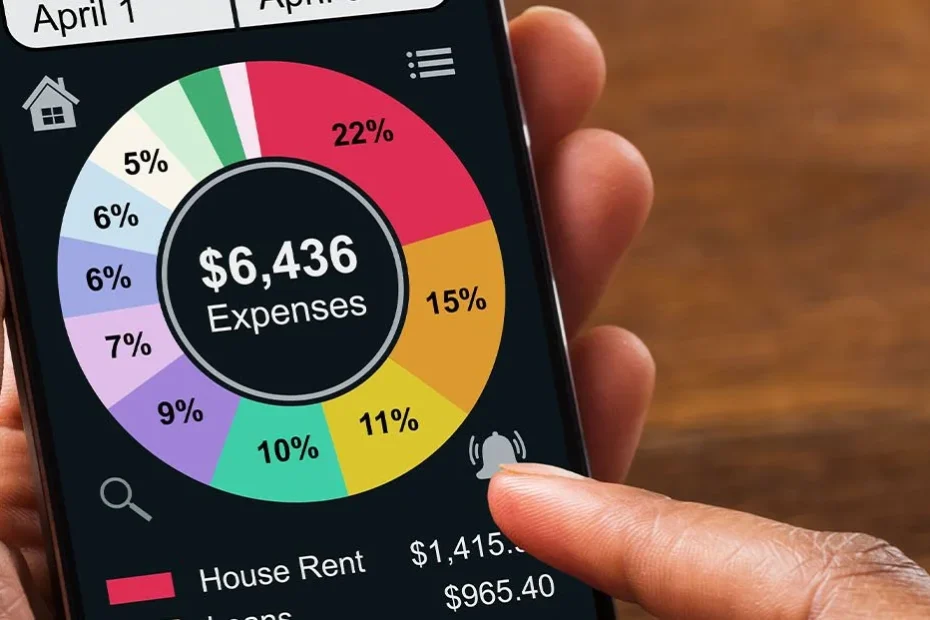
Managing your money can feel hard. Prices go up, bills pile in, and extra cash vanishes fast. Many people struggle to keep track of daily costs. However, simple digital tools can fix this problem quickly. Using a modern best budgeting app helps you see where every dollar goes.
Taking charge of your cash flow changes everything. You stop worrying about surprise bills. Instead, you build real savings month after month. Finding the best budgeting app turns confusing math into simple steps. Digital tools do the hard calculations for you. As a result, you save time and keep your stress low.
Getting started does not require a finance degree. Modern tools fit right onto your smartphone. They send helpful alerts and sort your costs automatically. Choosing the right best budgeting app gives you full power over your financial future.
What Makes a Great Digital Tool for Money Management?
Not all software works the same way. The best budgeting app must be simple, secure, and clear. Good budgeting apps offer instant bank syncing. They automatically download your credit card and bank transactions. This saves you from typing numbers by hand every day.
Another critical feature is goal setting. The best budgeting apps help you plan for big purchases. They show your progress on clear visual progress bars. This keeps you motivated while saving for a home, trip, or rainy-day fund.
Finally, security is essential. Top tools use bank-level encryption and read-only access. They can read transactions, but nobody can move your cash. Searching for the best budgeting app means picking software that guards your data carefully.
Understanding Different Approaches to Daily Budgeting
People handle cash in different ways. Successful budgeting depends on finding a style that matches your life. One popular method is zero-based planning. Here, you assign every dollar a job before spending it. This stops wasteful purchases before they happen.
Another strategy is the digital envelope system. You put set amounts of money into virtual envelopes for food, rent, and fun. Once an envelope runs empty, spending in that category stops. It provides very clear physical-like limits inside your phone.
Flexible cash-flow tracking works better for busy people. This style tracks income against total bills without strict spending limits. Using the best budgeting app tailored to your preferred style ensures long-term success without burn-out.
1. YNAB (You Need A Budget): Best for Zero-Based Planning
YNAB remains a top pick for proactive planning. It operates on four rules designed to break the paycheck-to-paycheck cycle. Users assign every dollar a specific job, such as rent, groceries, or savings goals.
[ Monthly Income ] ──► [ Give Every Dollar a Job ] ──► [ Rule 1: Category Envelopes ]
                                                                 │
                                                                 ▼
[ Goal Met / Safe ] ◄── [ Rule 3: Roll With The Punches ] ◄── [ Rule 2: Embrace True Expenses ]
The software helps you plan for unexpected costs. If you spend too much on eating out, you simply move cash from another category. This stops guilt and keeps your overall goals on track. Picking YNAB as your best budgeting app forces active money choices every day.
Many users report saving over six hundred dollars in their first two months. While it requires a paid subscription, the money saved usually pays for the platform quickly. It stands out among best apps for budgeting for serious debt reduction.
2. Monarch Money: Best Choice for Couples and Families
Monarch Money is a premium platform built for household coordination. It brings credit accounts, savings, mortgage balances, and investments together into one dashboard. Two partners can share one account with separate login details.
┌─────────────────────────────────────────────────────────────┐
│                   Monarch Unified Dashboard                 │
├──────────────────────────────┬──────────────────────────────┤
│      Partner A Login         │      Partner B Login         │
├──────────────────────────────┴──────────────────────────────┤
│  • Linked Bank & Credit Accounts                            │
│  • Investment & Net Worth Tracking                          │
│  • Shared Family Goals & Custom Category Budgets            │
└─────────────────────────────────────────────────────────────┘
The layout is clean and free of distracting advertisements. You can customize categories, set flex budgets, and track long-term net worth trends. As a best budgeting app for families, Monarch makes monthly money meetings straightforward.
It offers strong forecasting features to project future account balances based on current habits. Choosing this best budgeting app helps partners stay aligned without constant financial arguments.
3. PocketGuard: Best for Stopping Overspending
PocketGuard simplifies financial tracking into one key metric: how much cash is safe to spend right now. After accounting for bills, savings goals, and fixed costs, it calculates your remaining spendable money.
  [ Gross Income ]
         │
         ▼
  - [ Fixed Bills & Recurring Costs ]
  - [ Active Savings Goals ]
  ─────────────────────────────────
  = "In My Pocket" (Safe-to-Spend Balance)
The application finds forgotten recurring subscriptions and helps you cancel them easily. If you tend to overspend on impulse buys, PocketGuard acts as an instant safety shield. It is widely rated as a best budgeting app for quick daily cash checks.
The simple visual ring shows your safe daily balance in real-time. Among modern budgeting apps, it provides immediate clarity without requiring deep spreadsheet analysis.
4. Goodbudget: Best Virtual Envelope System
Goodbudget brings classic paper envelope methods into the smartphone age. Instead of linking directly to bank accounts, users can enter income manually and sort funds into category envelopes. This manual approach builds deep spending awareness.
[ Income Received ] ──► Sort into Digital Envelopes:
                        ├─► Envelope A: Rent & Utilities
                        ├─► Envelope B: Groceries
                        └─► Envelope C: Emergency Savings
It syncs across multiple smartphones so household partners can track shared spending simultaneously. The free version includes ten virtual envelopes, making it ideal for beginners. Goodbudget excels as a best budgeting app for deliberate cash tracking.
Checking your remaining envelope balances before heading to the register stops impulsive retail purchases. It remains a top option among best apps for budgeting without bank link requirements.
Top Budgeting Tools Quick Comparison
| App Name | Best Use Case | Bank Sync | Free Version Available | Primary Advantage |
| YNAB | Zero-Based Budgeting | Yes | Free Trial Only | Helps quickly eliminate consumer debt. |
| Monarch Money | Couples & Households | Yes | Free Trial Only | Flexible views for multiple users. |
| PocketGuard | Overspending Prevention | Yes | Yes (Basic Tier) | Displays instant “safe-to-spend” balance. |
| Goodbudget | Digital Envelope System | Optional | Yes (10 Envelopes) | Simple manual tracking framework. |
| EveryDollar | Simple Zero-Based Setup | Paid Upgrade | Yes (Manual Tier) | Quick setup for zero-based entry. |
Paper, Spreadsheets, or Apps: Which Is Best?
Some people prefer classic pen and paper over digital tools. Writing down expenses builds high awareness, but manual tracking takes significant time and effort. It is easy to lose paper notes or forget small cash receipts over time.
Spreadsheets offer strong customization and control. You can design custom formulas and build a personalized budgeting template using Excel or Google Sheets. However, spreadsheets lack automatic transaction syncing and mobile convenience. Updating them regularly requires dedicated desktop time.
Using the best budgeting app combines convenience, security, and automated features. Mobile software updates your accounts automatically in real time. For most users, dedicated apps for budgeting deliver faster results with less ongoing friction.
Free Budgeting Template Options for Beginners
If you prefer starting without software subscriptions, a customized budgeting template is a great starting point. Free templates let you test different financial strategies before paying for an app. You can log monthly earnings and set fixed spending targets easily.
A simple budgeting template divides your net income into three core buckets:
                  [ Total Monthly Income ]
                             │
         ┌───────────────────┼───────────────────┐
         ▼                   ▼                   ▼
    50% Needs           30% Wants           20% Savings
 (Rent, Groceries)   (Dining, Hobbies)   (Debt, Emergency)
- 50% Needs: Essential costs like housing, utilities, groceries, and minimum debt payments.
- 30% Wants: Discretionary costs including dining out, entertainment, and personal hobbies.
- 20% Savings: Financial goals, debt paydown, and emergency fund contributions.
Using a starter budgeting template builds baseline discipline. Once manual tracking feels comfortable, upgrading to a best budgeting app saves time and automates your setup.
How to Stick to Your Monthly Financial Plan
Downloading an app is only the first step. Staying consistent with your system is what builds long-term security. Set a recurring time each week to review your transactions and update category totals.
[ Download App ] ──► [ Set Weekly Review ] ──► [ Adjust Categories ] ──► [ Celebrate Milestones ]
Treat your review time like an important personal appointment. Check for miscategorized expenses and adjust spending targets if life circumstances change. Flexibility prevents frustration when unexpected expenses happen.
Celebrate small financial victories along the way. Paying off a credit card or hitting a savings milestone reinforces positive habits. Pairing regular reviews with a reliable best budgeting app helps turn healthy money habits into long-term wealth.
Frequently Asked Questions
Are digital money management platforms safe to use?
Yes, reputable mobile tools use bank-grade 256-bit encryption and multi-factor authentication. They operate on read-only access, meaning money cannot be moved or transferred within the software.
Can I track my household finances for free?
Yes, tools like Goodbudget and EveryDollar offer free plan tiers. Additionally, using a simple budgeting template inside Google Sheets costs nothing and offers complete control over your data.
What is the easiest zero-based planning software?
EveryDollar and YNAB are widely considered the easiest tools for zero-based planning. EveryDollar features a straightforward user interface, while YNAB offers extensive educational materials.
Should I link my main bank accounts to my app?
Linking accounts enables real-time transaction updates and saves significant manual entry time. However, if you prefer higher privacy, manual entry tools allow complete offline tracking.
How long does it take to see results from financial planning?
Most users notice reduced impulse spending within thirty days of consistent tracking. Within three to six months, regular reviews typically result in measurable debt reduction and savings growth.
Which software works best for couples sharing expenses?
Monarch Money and Goodbudget lead the market for joint tracking. Monarch allows shared household account access across two logins, while Goodbudget syncs digital envelopes seamlessly across multiple devices.
Final Thoughts: Take First Step Toward Financial Freedom
Gaining full control of your personal finances does not happen overnight, but taking the first step transforms your financial health. Whether you choose a feature-rich paid software, a simple manual tracker, or a basic budgeting template, consistency is what creates real wealth.
Test two or three options to see which interface fits your daily routine best. Selecting the best budgeting app for your personal workflow makes managing cash simple, automated, and stress-free. Pick a tool today, set your targets, and take control of your financial future.